5 App Localization Strategies to Kickstart Your Rapid Growth
 by Rishi Anand

If you believe app localization services mean translating the app content to the local language, that’s not true. You must have seen the translation work of Google Translate and other freely available tools. We can observe the anomalies due to the system’s inability to understand the cultural nuances.
Literal translations often miss the mark. That’s why cultural adaptation is part and parcel of the process, ensuring that all content is culturally appropriate and relatable to the target audience.
Cultural sensitivity involves understanding, respecting, and effectively interacting with people from diverse cultural backgrounds. It goes beyond mere tolerance to include genuine appreciation and empathy for cultural differences.
Key elements of cultural sensitivity include respect for differences, effective communication, open-mindedness, conflict resolution, inclusivity, global perspective, and avoiding stereotypes and prejudices. It also extends to interactions between different subcultures within the same society, not just nationalities or ethnic backgrounds.
Now, the question is what the role of cultural sensitivity is in mobile app localization. For that, you need to read this blog.
What is App Localization?
Have you ever wondered why some apps feel so right, almost like they were made just for you and your community? Well, chances are, an app localization company is working behind that.
At its heart, app localization is about tailoring an app to fit the language, culture, and other regional specifics of its users. This process goes beyond mere translation. While translating the text is a vital part of it, localization encompasses so much more. It’s about adapting graphics, cultural references, and even functionalities to feel natural and intuitive to users from different parts of the world.
Imagine this: You download an app, and the first thing you see is a date format you’re not used to, or a greeting that feels awkwardly formal. It’s disorienting, right? That’s exactly what app localization aims to avoid. By making an app feel like it was designed with a specific local audience in mind, companies can greatly improve user experience, broaden their audience, and increase their global reach.
App localization is a multifaceted process involving several steps. It’s about considering cultural nuances, legal requirements, and local customs. While translating the app’s text is the most obvious task, it’s critical to get it right.
Understanding Cultural Nuances
In today’s global village, where borders are blurred by digital connectivity, understanding cultural nuances has never been more critical. It’s about grasping the subtle, often unspoken, elements of a culture that inform behaviors, expectations, and relationships.
Cultural nuances are like the seasoning in a dish. You may not immediately notice, but they make all the difference in the outcome. These nuances can range from body language and gestures to humor, politeness, and the concept of time.
Have you ever told a joke that just didn’t land? Or perhaps you’ve been receiving a statement that seemed too direct or even rude. These are often the results of missing cultural localization. Understanding these nuances prevents misunderstandings and helps us communicate more effectively.
When we show awareness and respect for the cultural backgrounds of those around us, we build trust and stronger relationships. This is crucial in personal and professional interactions, where collaboration and respect are key to success.
Importance of Cultural Nuances in App Localization
- Enhanced User Engagement
Cultural importance in app localization is critical, giving way to a more complete and personal user engagement. The app’s content, visuals, and features can be tailored according to the target group’s cultural traits, thereby leading to increased participation of the users.
- Market Relevance
An in-depth understanding of and including cultural nuances is critical for long-term market performance. A culturally sensitive app highlighting this factor is more appealing to users. Thus making them download the app, retain it for longer, and leave positive reviews.
- Building Trust and Loyalty
Android and iPhone app translation with cultural localization leads to trust and loyalty among users. By helping people to see their culture and values in the app, the latter strengthens its bond with the audience. The users keep using it for a long time.
- Global Market Penetration
Successful app localization, paying attention to cultural peculiarities, helps catalyze different global markets. The removal of language barriers and cultural differences promotes the pathway for the acceptance of the product from a wider audience and market expansion.
- Competitive Edge
Cultural localization is essential to giving apps a competitive edge. The users will likely pick the application that proves it is aware of and respects their cultural background. Users tend to stay loyal to the app that differentiates itself from the many similar apps already available.
So get your app to the next level by availing services of Linguidoor- app localization agency.
Challenges in App Localization
The app localization road will have its fair share of bumps, and that is where Linguidoor- app localization company will be the best at finding solutions.
- Diverse Cultural Expectations
Making sure that the diverse needs of the users across the locations are an issue. Cultural differences result in the variant of design style, communication style, and user interface preferences.
- Language Ambiguities
Language intricacies, including idiomatic expressions, colloquialisms, and regional diversities, can only be fully understood by those very sensitive to these. Correct translation, in particular, is essential and in mobile app localization.
- Visual Elements Adaptation
Customizing visual elements in the form of icons, colors, and images to fit different cultural preferences is challenging. The importance of colors varies, and the symbolism of the elements varies for each culture.
- Local Regulatory Compliance
App localization agency like Linguidoor follow local regulations and compliance standards that complicate the task. Localization requires the exactness of handling legal specifications and cultural norms during the process.
Linguidoor’s professionalism allows us to face these issues, giving a localization of the app that maintains cultural specificities and provides a user experience understood in every corner of the world.
Strategies for Cultural Adaptation
- Comprehensive Cultural Analysis
The app localization process begins with a thorough analysis by Linguidoor, which considers the target audience’s culture and identifies linguistic nuances, preferences, and cultural taboos.
- In-House Linguistic Experts
We have language experts who are fluent in the target language, and therefore, the agency ensures precise and culturally adaptable translation for smooth cultural adaptation.
- User-Centric Localization
We optimize the user experience by giving a cultural depth to design, navigation, and usability, which will be reflected in the app to match the audience’s authenticity.
- Localized Content Creation
Linguidoor- app localization agency also focuses on localization, which extends beyond translation, localizing images, graphics, and references to match the culture and context of the target region.
- Rigorous Usability Testing
Linguidoor applies comprehensive usability testing with participants from the potential market to uncover and deal with the cultural or linguistic barriers that may affect the general user experience.
Case Studies: Successful App Localization Example
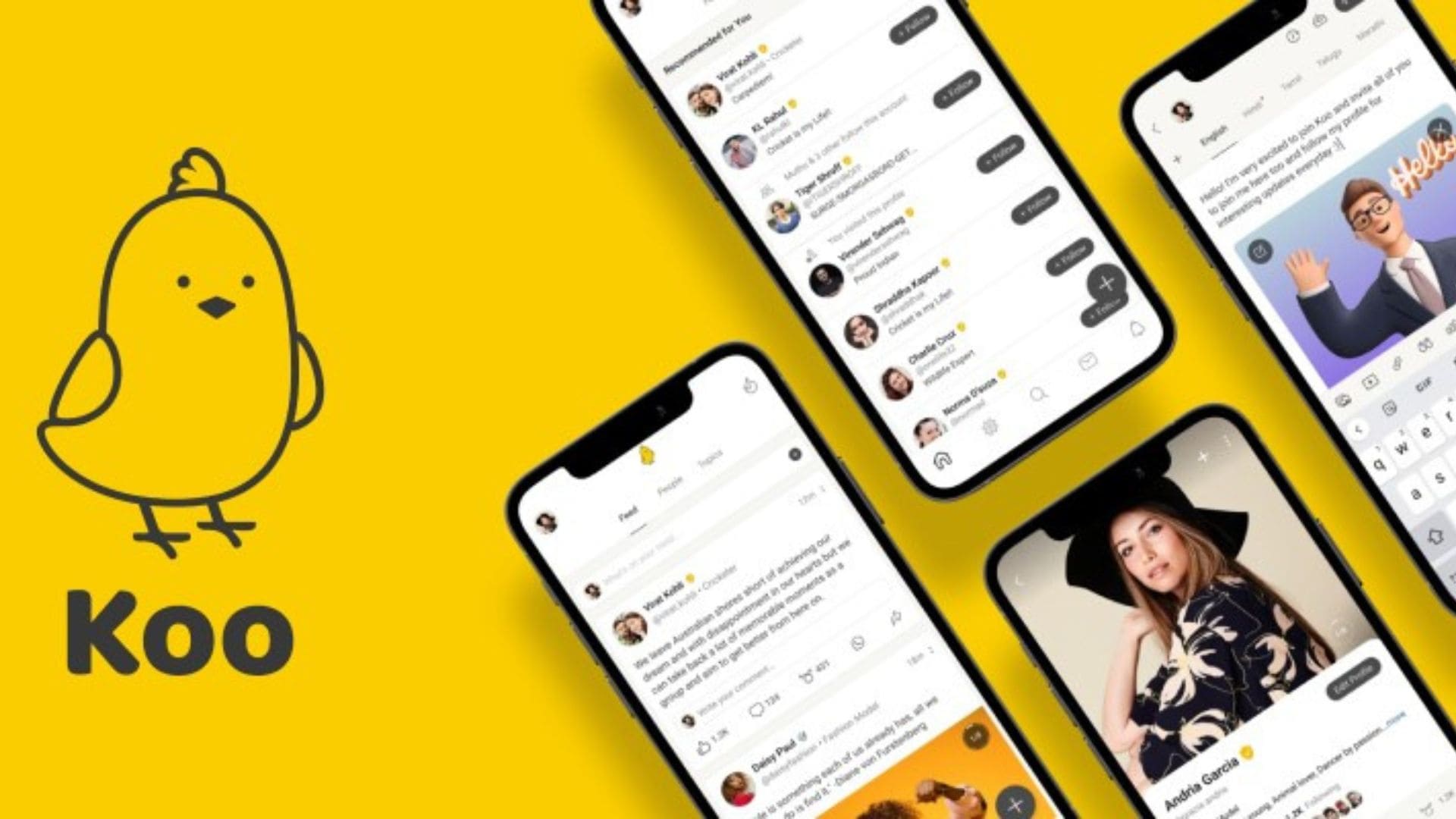
Koo, the second-largest multi-lingual microblogging platform worldwide, boasts over 60 million users across 100+ countries, offering a space for individuals to communicate freely in their preferred language.
Recently, Koo experienced an unexpected surge in popularity in Brazil, prompting a shift in focus towards European expansion. Linguidoor, renowned for its mobile app localization, became Koo’s strategic partner for this endeavor.
We’re tasked with swiftly localizing the app into various languages. Linguidoor deployed native linguists versed in domain-specific terminology, ensuring linguistic accuracy and cultural relevance.
Our meticulous 6-eye process and immersion in the platform’s intricacies facilitated seamless translations. The collaboration enabled Koo to successfully localize its app within demanding timelines, fueling global expansion and consolidating its position in new markets like Brazil.
This partnership underscores the significance of strategic localization in driving rapid global growth for tech companies like Koo, showcasing how our trusted app localization service can facilitate market dominance through tailored language solutions.
Click Here to Read Full Case Study
Globally Expand Your App With App Localization Services of Linguidoor
Do you want your app to get worldwide exposure? The language barrier can be overcome by Linguidoor, an app localization company. With in-house language professionals who have a well-developed understanding of localization nuances. We guarantee correct and culturally sensitive translations. We can help you with better user engagement, build trust, and enable the process of global market penetration, among other things.

Rishi Anand


Rishi is a Language enthusiast and Founder and CEO of Linguidoor Translation and Localization Services based in Berlin, Germany. He is passionate about the Localization Industry, and he has a keen interest in sharing Insights, News, and development to create awareness, educate, and inspire.



Made up your mind yet?
Empower your globalization goals today!